moviesjoy vs Paid Services: Feature and Quality Comparison
Ready to explore moviesjoy?
Direct portal access to moviesjoy.
Choosing between free streaming platforms and paid subscription services has become a common dilemma for entertainment seekers. With monthly subscription costs climbing across multiple platforms, viewers are exploring alternatives that deliver quality content without the recurring fees. moviesjoy represents one such alternative, offering access to films and shows without subscription barriers. Understanding how these options compare in terms of features, content quality, and overall experience helps viewers make decisions that align with their needs and expectations.
The streaming landscape has evolved dramatically, with paid services investing billions in original content while free platforms leverage different models to serve audiences. Each approach comes with distinct advantages and limitations that impact the viewing experience in meaningful ways.
Content Library Size and Variety
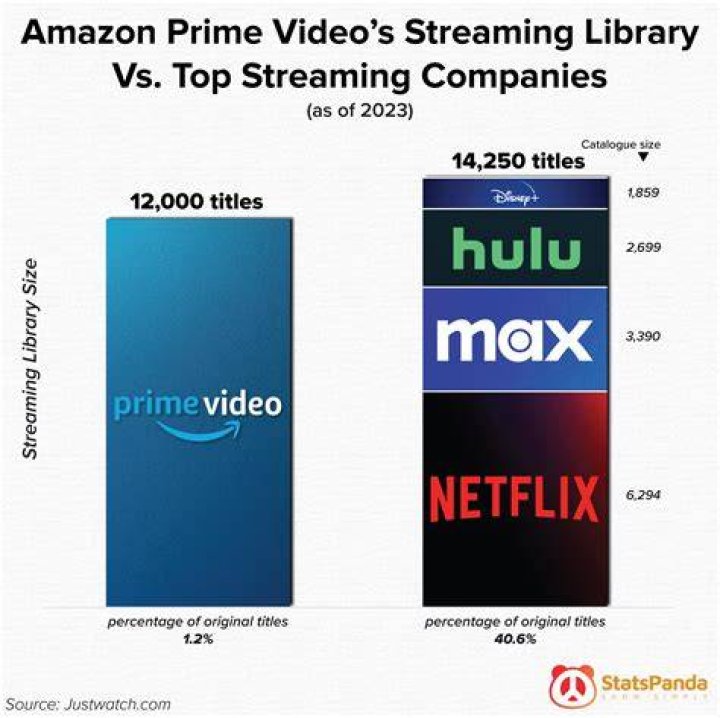
Paid streaming services typically maintain curated libraries ranging from a few thousand to tens of thousands of titles. Netflix houses approximately 5,000-7,000 titles depending on region, while Amazon Prime Video offers similar numbers. These platforms focus on licensed content alongside their original productions, creating a balanced mix that appeals to diverse audiences.
moviesjoy takes a different approach by aggregating content from various sources, resulting in a broader catalog that often exceeds what individual paid services offer. The platform provides access to recent theatrical releases, classic films, international cinema, and television series across multiple genres. This extensive variety means viewers can find obscure titles, foreign films, and niche content that might not appear on mainstream platforms.
However, paid services excel in exclusive content. Original series like "Stranger Things," "The Mandalorian," or "The Last of Us" remain locked behind subscription walls. These productions represent significant investments in storytelling, production value, and talent that differentiate premium platforms from free alternatives.
Video and Audio Quality Standards
Quality remains a critical differentiator between service types. Paid platforms deliver consistent streaming quality with adaptive bitrate technology that adjusts to connection speeds. Netflix, Disney+, and HBO Max support 4K Ultra HD resolution with HDR (High Dynamic Range) and Dolby Atmos audio on premium tiers, creating cinema-quality experiences at home.
moviesjoy typically offers content in HD quality, with resolution varying based on source availability. While 1080p streams are common, the quality can fluctuate depending on server load and content encoding. Audio quality generally supports stereo sound, which suffices for most viewing scenarios but lacks the immersive surround sound options available through paid services.
Buffering and stream stability also differ. Subscription platforms invest heavily in content delivery networks (CDNs) that ensure smooth playback across devices. Free platforms may experience occasional interruptions during peak usage times, though this varies by server capacity and viewer location.
User Interface and Navigation Experience

Paid services employ sophisticated recommendation algorithms trained on billions of viewing hours. These systems suggest content based on watch history, ratings, and viewing patterns, creating personalized experiences that help users discover new favorites. Multi-profile support allows families to maintain separate watchlists and recommendations.
The moviesjoy interface prioritizes simplicity and direct access. Basic search functionality and category browsing enable quick content discovery without complex navigation structures. While lacking advanced personalization features, this straightforward approach appeals to users who prefer browsing without algorithm-driven suggestions influencing their choices.
Cross-device synchronization represents another distinction. Paid platforms remember playback position across smartphones, tablets, smart TVs, and computers, allowing seamless transitions between devices. Free platforms typically lack this continuity, requiring viewers to manually track their progress when switching screens.
Accessibility and Device Compatibility
Subscription services maintain dedicated applications for virtually every platform: iOS, Android, smart TVs, gaming consoles, streaming sticks, and web browsers. These apps receive regular updates that improve performance, add features, and fix bugs. Download functionality allows offline viewing during travel or in areas with limited connectivity.
moviesjoy operates primarily through web browsers, making it accessible on any device with internet connectivity. This browser-based approach eliminates installation requirements but limits features like offline downloads. Mobile responsiveness ensures functionality on smartphones and tablets, though the experience may not match native application polish.
Paid services also support multiple simultaneous streams, with plans allowing 2-4 concurrent viewers. This shared access benefits families or households with different viewing preferences happening simultaneously across rooms.
Content Freshness and Release Timing
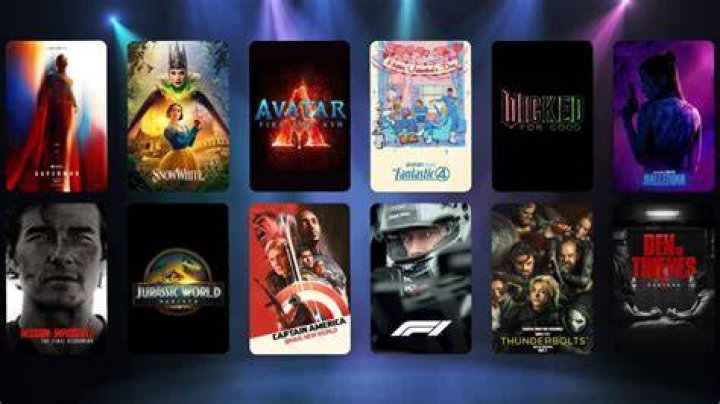
Theatrical window practices affect when films appear on different platforms. Paid services negotiate exclusive licensing deals that bring movies to their libraries 45-90 days after theatrical release. Some studios maintain their own platforms (Disney+, Paramount+) for first-window streaming of their productions.
moviesjoy often features titles shortly after various release windows close, sometimes providing access to content still cycling through other distribution channels. The platform updates regularly with new additions across categories, though the exact timing depends on source availability rather than negotiated release schedules.
Original content on paid platforms follows predetermined release schedules, with entire seasons dropping simultaneously or weekly episode releases that build anticipation. This structured approach creates cultural moments and viewer discussions around specific titles.
Cost Analysis and Value Proposition
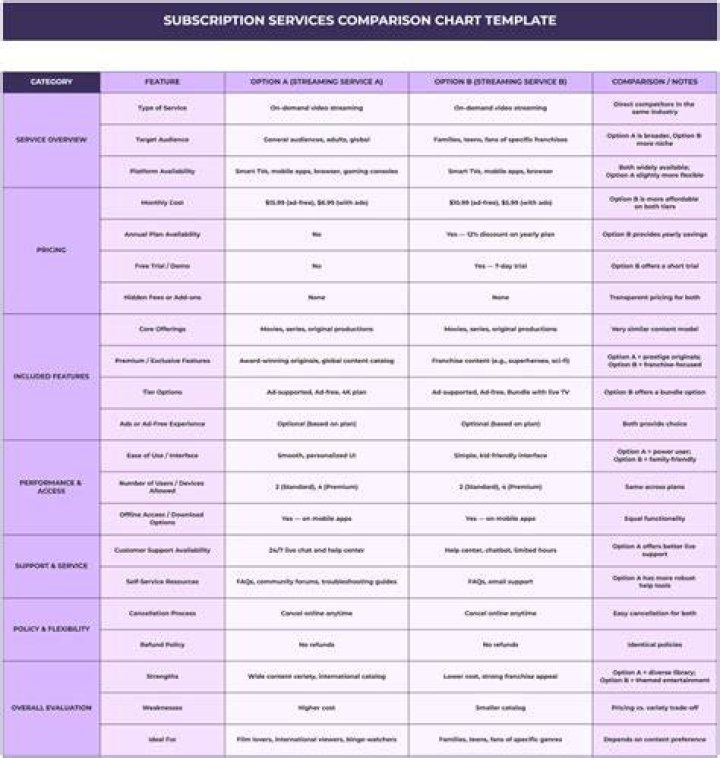
Subscription costs have risen significantly. Netflix plans range from $7 to $20 monthly, Disney+ charges $8-14, HBO Max sits at $10-16, and maintaining multiple services easily exceeds $50-100 monthly. Annual commitments offer modest discounts but require upfront payment.
moviesjoy eliminates subscription fees entirely, providing unlimited access without payment requirements. This zero-cost model particularly benefits budget-conscious viewers, students, or anyone managing multiple entertainment expenses. The savings over a year compared to maintaining 3-4 paid subscriptions exceed several hundred dollars.
However, paid services include value beyond content access. Customer support, guaranteed uptime, legal protections, and continued investment in new productions justify costs for many subscribers. The reliability and legitimacy of licensed content carries weight in decision-making.
Advertising and Viewing Interruptions
Ad-supported tiers have emerged across paid platforms as lower-cost alternatives. These plans interrupt viewing with commercial breaks similar to traditional television, though typically fewer and shorter than broadcast standards. Premium tiers maintain ad-free experiences but command higher prices.
Free platforms like moviesjoy may display advertisements, though the format and frequency vary. Some implementations use banner ads around content players rather than interrupting playback, while others incorporate brief ad breaks. The trade-off between free access and occasional advertisements represents the revenue model that sustains platform operation.
Ad tolerance varies individually. Some viewers accept interruptions as reasonable exchange for free content, while others prioritize uninterrupted viewing enough to justify subscription costs.
Legal Considerations and Content Licensing

Paid services operate through comprehensive licensing agreements with studios, networks, and content creators. These legal frameworks ensure proper compensation flows to rights holders, supporting continued content creation. Subscribers access content with full legal protections and quality guarantees backed by corporate accountability.
The legal status of free streaming platforms exists in gray areas that viewers should understand. Content availability through aggregation models raises questions about licensing compliance and intellectual property rights. Users should research and consider the legal implications of their viewing choices based on regional laws and personal values regarding content creator compensation.
Geographic restrictions also differ. Paid services implement region-locking based on licensing territories, limiting content libraries by viewer location. VPN usage to circumvent these restrictions violates terms of service for most platforms. Free alternatives may have different geographic availability patterns.
Privacy and Data Security
Subscription platforms collect extensive user data including viewing habits, device information, and payment details. Their privacy policies outline data usage for recommendation improvements, targeted marketing, and service optimization. Established companies face regulatory oversight and reputational stakes that incentivize data protection.
Security practices vary across free platforms. Understanding how services handle user information, whether they require account creation, and what data they collect helps viewers make informed privacy decisions. Browser-based platforms that don't require registration minimize personal information exposure compared to account-based systems.
Payment security represents another consideration. Paid services process credit card information through encrypted, PCI-compliant systems with fraud protection. Free platforms eliminate payment security concerns by removing financial transactions entirely from the user relationship.
Special Features and Enhanced Functionality
Premium platforms invest in viewing enhancements that improve the entertainment experience. Interactive content, multiple language audio tracks, comprehensive subtitle options in dozens of languages, and behind-the-scenes bonus material add depth beyond basic streaming. Parental controls allow content filtering based on ratings and maturity levels.
moviesjoy focuses on core streaming functionality without extensive additional features. Subtitle availability depends on source files, and advanced options like audio track selection or interactive features aren't typically supported. The streamlined approach serves viewers prioritizing straightforward access over supplementary functionality.
Watch party features and social integration on paid platforms enable synchronized viewing with friends remotely, adding social dimensions to streaming. These collaborative viewing options became particularly valuable during periods when physical gatherings were limited.
Final Thoughts
The choice between moviesjoy and paid streaming services ultimately depends on individual priorities, budget constraints, and viewing preferences. Subscription platforms deliver polished experiences with legal certainty, exclusive content, premium quality, and advanced features that justify costs for many viewers. Their investments in original programming and technological infrastructure create reliable, high-quality entertainment ecosystems.
moviesjoy offers a compelling alternative for budget-conscious viewers seeking broad content access without recurring fees. The extensive library and zero-cost model provide practical value, particularly for those managing multiple entertainment expenses or exploring content before committing to purchases. Understanding the differences in quality, features, and considerations across both approaches empowers viewers to make choices aligned with their circumstances and values. Both models serve distinct needs within the diverse streaming landscape, and many viewers find value in combining different approaches based on specific content interests and viewing occasions.
Explore More on Moviesjoy
Thank you for reading! For more comprehensive guides and site pages, return to the Moviesjoy Homepage .
