moviesjoy Not Working? Troubleshooting Common Streaming Issues
Ready to explore moviesjoy?
Direct portal access to moviesjoy.
Settling in for a movie night only to find your streaming platform refusing to load is frustrating. When moviesjoy won't work properly, the causes can range from simple browser cache issues to more complex network problems. Understanding why streaming interruptions happen and knowing how to fix them quickly gets you back to your entertainment without the headache.
Most streaming issues share common root causes that anyone can diagnose and resolve at home. This guide walks through the most frequent problems users encounter and provides practical solutions that work.
Check Your Internet Connection First
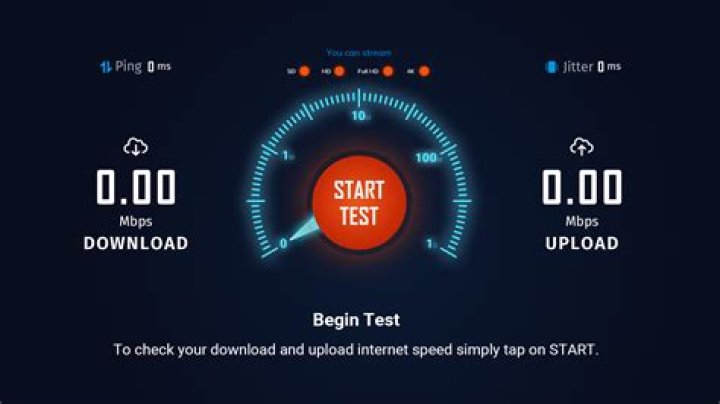
Before diving into complex troubleshooting, verify your internet connection is actually working. Streaming video requires stable bandwidth, and even brief interruptions can cause playback to fail completely. Open another website or run a quick speed test to confirm connectivity.
For smooth streaming, you need at least 5 Mbps for standard definition and 25 Mbps or higher for HD content. Run a speed test at fast.com or speedtest.net to see your current download speed. If speeds are significantly lower than what your ISP promises, restart your router by unplugging it for 30 seconds before plugging it back in.
Wireless connections often cause streaming issues due to interference or distance from the router. If possible, connect your device directly to the router using an ethernet cable for the most stable connection. This eliminates wireless signal problems and provides consistent bandwidth for uninterrupted viewing.
Clear Browser Cache and Cookies
Accumulated cache files and cookies frequently cause loading problems on streaming sites. Your browser stores temporary files to speed up page loading, but when these files become corrupted or outdated, they prevent pages from displaying correctly.
To clear your cache in Chrome, click the three dots in the top right corner, select "More tools," then "Clear browsing data." Choose "All time" as the time range and check both "Cookies and other site data" and "Cached images and files." Click "Clear data" and wait for the process to complete.
Firefox users should click the menu button, select "Settings," then "Privacy & Security." Scroll to "Cookies and Site Data" and click "Clear Data." Safari users can press Command+Option+E or go to Safari menu, select "Clear History," and choose "all history" from the dropdown.
After clearing cache and cookies, completely close your browser and reopen it before trying to access moviesjoy again. This ensures all old data is removed and your browser starts fresh.
Disable Browser Extensions and Ad Blockers
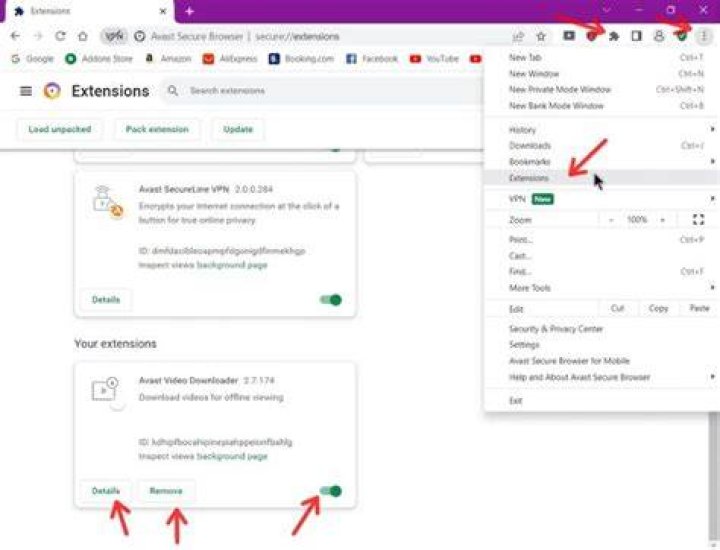
Browser extensions, particularly ad blockers and privacy tools, often interfere with streaming sites. While these tools protect your browsing experience, they sometimes block legitimate scripts needed for video playback.
Test this by opening an incognito or private browsing window, which typically runs without extensions. If the streaming site works fine in incognito mode, an extension is causing the problem. To identify the culprit, disable extensions one at a time until you find which one causes issues.
Common Extensions That Cause Conflicts
- Ad blockers like uBlock Origin or AdBlock Plus may prevent video players from loading
- Privacy extensions such as Privacy Badger or Ghostery can block tracking scripts that streaming sites require
- VPN extensions sometimes route traffic through overloaded servers, causing slowdowns
- Script blockers like NoScript prevent JavaScript execution needed for modern video players
Rather than completely removing necessary extensions, add the streaming site to your extension's whitelist or allowed sites. This lets you keep your privacy tools active while ensuring the streaming platform functions correctly.
Update Your Browser and Operating System
Outdated browsers lack support for modern web technologies used by streaming platforms. Video players rely on current HTML5 standards, and older browser versions simply can't handle these requirements.
Check your browser version by typing "chrome://settings/help" in Chrome, "about:support" in Firefox, or checking Safari preferences on Mac. If an update is available, install it immediately. Browser updates include critical security patches and performance improvements that directly affect streaming capability.
Operating system updates matter just as much. Windows, macOS, iOS, and Android all receive regular updates that improve media playback and fix compatibility issues. Outdated systems may lack necessary codecs or security certificates required by streaming sites.
Try a Different Browser or Device
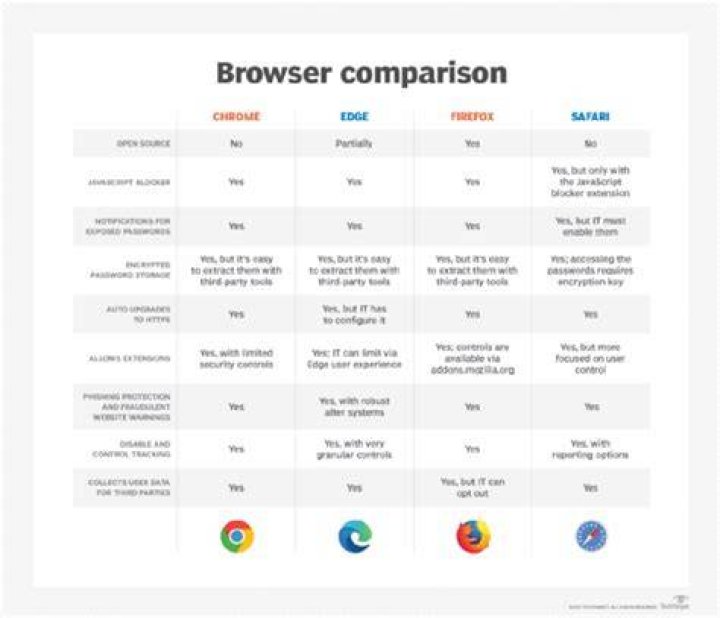
Sometimes the quickest solution is switching browsers entirely. If Chrome isn't working, try Firefox, Edge, or Safari. Different browsers handle video playback differently, and what fails in one often works perfectly in another.
Testing on another device helps isolate whether the problem is device-specific or account-related. If moviesjoy works on your phone but not your computer, the issue lies with your computer's configuration rather than the streaming service itself.
Resolve DNS and Network Configuration Issues
DNS (Domain Name System) problems prevent your browser from finding the correct server addresses. Your ISP's DNS servers might be slow or blocking certain domains, causing connection failures or extreme slowness.
Switch to public DNS servers like Google DNS or Cloudflare DNS for potentially faster and more reliable connections. On Windows, open Network Settings, select your connection, click "Properties," then "Internet Protocol Version 4." Choose "Use the following DNS server addresses" and enter 8.8.8.8 for primary and 8.8.4.4 for secondary.
Mac users should open System Preferences, select Network, choose their connection, click "Advanced," then the "DNS" tab. Click the plus button and add 8.8.8.8 and 8.8.4.4 to the list.
Flush Your DNS Cache
Your computer stores DNS lookup results to speed up future requests, but cached entries can become outdated. Flushing the DNS cache forces your system to retrieve fresh server addresses.
On Windows, open Command Prompt as administrator and type "ipconfig /flushdns" then press Enter. Mac users should open Terminal and enter "sudo dscacheutil -flushcache; sudo killall -HUP mDNSResponder" then enter your password.
Disable VPN or Proxy Services Temporarily
VPNs and proxies change your apparent location and can cause streaming issues for several reasons. The VPN server might be overloaded with traffic, causing slow speeds and buffering. Some streaming platforms also detect and block VPN traffic.
Disconnect your VPN temporarily to see if that resolves the issue. If the site works without the VPN, try connecting to a different VPN server in the same country or upgrading to a faster VPN service that better supports streaming.
Free VPNs particularly struggle with streaming due to limited bandwidth and overcrowded servers. Premium VPN services typically offer dedicated streaming servers optimized for video content.
Check for Site-Wide Outages or Maintenance
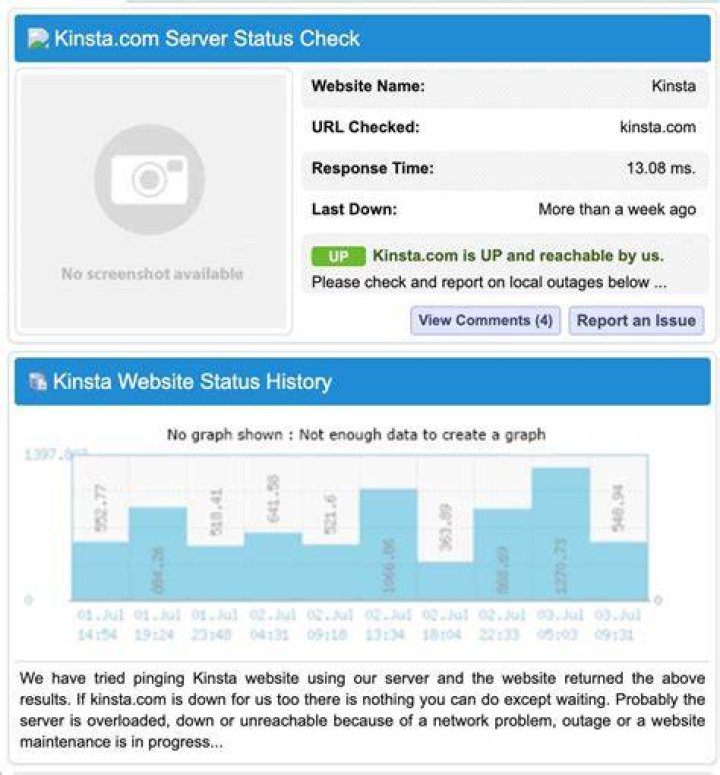
Sometimes the problem isn't on your end at all. Streaming sites occasionally experience server outages, maintenance periods, or technical difficulties that affect all users. Before spending more time troubleshooting, verify whether the site is actually up.
Visit downdetector.com or isitdownrightnow.com and search for the streaming platform. These services aggregate user reports and perform server checks to confirm site status. If many users are reporting problems simultaneously, the issue is server-side and you'll need to wait for the platform to resolve it.
Social media platforms like Twitter often contain real-time reports from other users experiencing the same issues. Search for the site name to see if others are discussing outages or problems.
Adjust Video Quality Settings
High-definition streaming demands more bandwidth than standard definition. If your connection can't maintain the required speed, buffering and playback failures occur frequently. Manually lowering video quality reduces bandwidth requirements and often solves buffering problems.
Most video players include a quality selector, usually represented by a gear icon. Try selecting 480p or 720p instead of 1080p or 4K. While the picture won't be as sharp, playback should remain smooth and uninterrupted.
Auto-quality settings sometimes make poor decisions about which resolution to use. Manually selecting a lower quality prevents the player from attempting to load higher resolutions your connection can't support consistently.
Disable Hardware Acceleration
Hardware acceleration uses your computer's GPU to handle video processing instead of the CPU. While this usually improves performance, outdated or incompatible graphics drivers can cause playback failures, black screens, or crashes.
To disable hardware acceleration in Chrome, go to Settings, click "Advanced," then "System," and toggle off "Use hardware acceleration when available." In Firefox, open Settings, scroll to "Performance," uncheck "Use recommended performance settings," then uncheck "Use hardware acceleration when available."
After disabling hardware acceleration, restart your browser completely. If video playback improves, consider updating your graphics drivers rather than permanently leaving acceleration disabled.
Update Graphics and Audio Drivers
Outdated drivers cause all sorts of media playback problems. Your graphics card and audio device need current drivers to properly decode and display modern video formats.
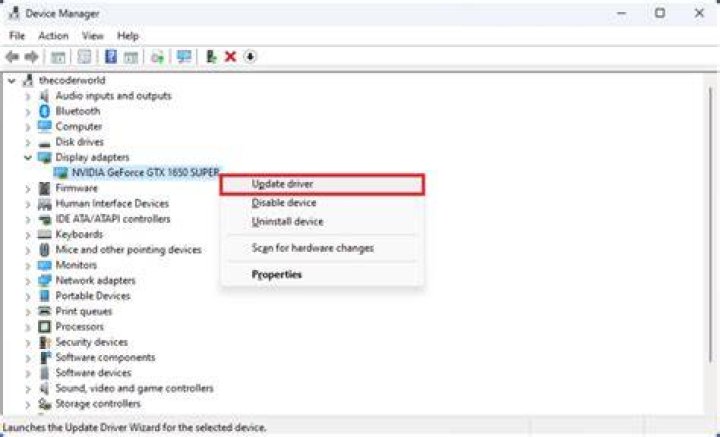
Windows users should open Device Manager, expand "Display adapters," right-click your graphics card, and select "Update driver." Choose "Search automatically for drivers" to let Windows find the latest version. For best results, visit your graphics card manufacturer's website (NVIDIA, AMD, or Intel) and download drivers directly.
Audio driver issues can prevent video from playing even when the video track loads correctly. Update audio drivers through Device Manager using the same process under "Sound, video and game controllers."
Check Firewall and Antivirus Settings
Security software sometimes blocks streaming sites, mistaking legitimate content for threats. Firewalls may block specific ports or protocols that streaming platforms use, while antivirus programs might flag video files as suspicious.
Temporarily disable your firewall or antivirus to test whether security software is causing the problem. If moviesjoy works with security disabled, add the site to your firewall's allowed list or your antivirus's exceptions.
Never leave security software permanently disabled. Instead, configure it properly to allow streaming while maintaining protection. Most security programs let you whitelist specific websites or create rules for trusted domains.
Remove Malware and Browser Hijackers
Malicious software can redirect your traffic, inject unwanted ads, or prevent legitimate sites from loading properly. Browser hijackers specifically target your browsing experience and can completely break streaming functionality.
Run a full system scan with Windows Defender, Malwarebytes, or your preferred antivirus software. Use a dedicated browser cleanup tool like Chrome Cleanup Tool or AdwCleaner to remove browser-specific infections that traditional antivirus might miss.
After removing malware, reset your browser to default settings. This removes any lingering configuration changes malware may have made. In Chrome, go to Settings, click "Advanced," scroll to "Reset and clean up," and select "Restore settings to their original defaults."
Final Thoughts
Most streaming problems on moviesjoy stem from browser configuration, network issues, or outdated software rather than fundamental platform failures. Working through these troubleshooting steps systematically helps identify and resolve the specific issue affecting your access. Start with the simplest solutions like clearing cache and checking your connection before moving to more advanced fixes like driver updates or DNS changes. When one approach doesn't work, try the next until you restore smooth streaming. Keeping your browser, operating system, and drivers updated prevents many of these issues from occurring in the first place.
Explore More on Moviesjoy
Thank you for reading! For more comprehensive guides and site pages, return to the Moviesjoy Homepage .
