Is moviesjoy Safe? Security, Privacy, and Legal Considerations
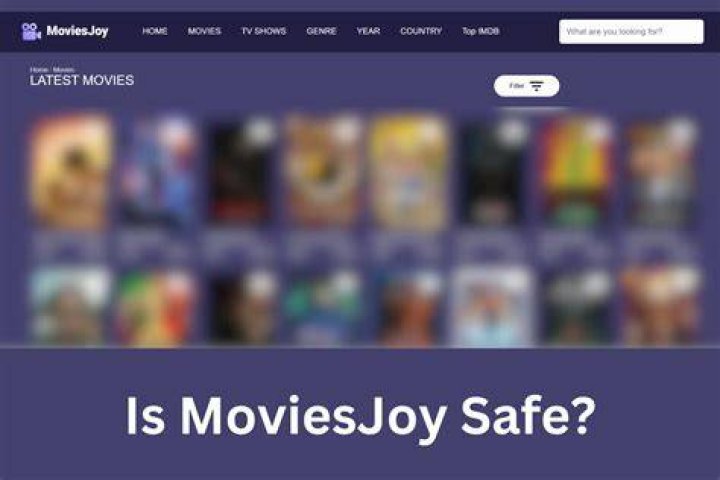
Ready to explore moviesjoy?
Direct portal access to moviesjoy.
Streaming movies and TV shows online has become a daily habit for millions of people worldwide. While paid platforms like Netflix and Disney+ dominate the market, free alternatives like moviesjoy attract users looking to save money. However, the question of safety looms large over these free streaming sites. Understanding the security vulnerabilities, privacy risks, and legal ramifications is essential before you decide to stream your favorite content on such platforms.
This comprehensive analysis examines what you need to know about using moviesjoy from multiple angles. We'll explore the technical security concerns, how your personal data might be compromised, and the legal gray areas that could put users at risk.
Understanding the Security Landscape of Free Streaming Sites
Free streaming platforms operate in a fundamentally different environment than legitimate subscription services. Most of these sites lack the infrastructure and security protocols that paid services invest in heavily. When you visit moviesjoy or similar platforms, your device becomes exposed to various security threats that wouldn't exist on authorized streaming services.
Malware distribution represents one of the most significant security concerns. Many free streaming sites generate revenue through aggressive advertising networks that don't always vet their advertisers properly. This creates opportunities for malicious actors to inject harmful code through compromised ad networks. Users might encounter drive-by downloads, where simply visiting a page triggers automatic malware installation without any user interaction.
Common Malware Threats on Streaming Platforms
Trojan horses frequently hide within video player updates or codec installation prompts. These fake update notices appear legitimate but actually install spyware, ransomware, or cryptocurrency miners on your system. The mining software runs silently in the background, using your computer's resources to generate digital currency for the attackers while slowing down your device significantly.
Phishing attempts also proliferate on these platforms. Pop-up windows might mimic legitimate login screens for popular services, attempting to steal your credentials. Even if you don't enter information on moviesjoy itself, these phishing schemes can compromise accounts you use elsewhere if you're not careful.
Privacy Concerns and Data Collection Practices
When you use free streaming sites, you're rarely just watching content. These platforms typically employ extensive tracking mechanisms to monitor user behavior, collect personal information, and build detailed profiles for various purposes. Unlike regulated streaming services with clear privacy policies, sites like moviesjoy often operate with minimal transparency about their data handling practices.
Your IP address gets logged immediately upon visiting these sites. This information reveals your approximate geographic location and can be tied to your internet service provider. Combined with browser fingerprinting techniques, operators can track your viewing habits across sessions even without cookies. This data becomes valuable for targeting advertisements or potentially selling to third-party data brokers.
Third-Party Trackers and Analytics
Most free streaming platforms integrate numerous third-party scripts for analytics, advertising, and content delivery. Each of these scripts has the potential to collect information about your browsing behavior. Some track the pages you visit before and after leaving the streaming site, building comprehensive profiles of your online activities.
The advertising networks embedded in these sites often employ sophisticated tracking technologies. Real-time bidding systems auction your attention to advertisers based on demographic and behavioral data. This process happens in milliseconds but involves sharing your information across multiple companies you've never heard of.
Legal Implications of Using Unauthorized Streaming Services
The legality of streaming from sites like moviesjoy exists in a complicated gray area that varies by jurisdiction. While the sites themselves clearly violate copyright law by distributing content without proper licensing, the legal status of viewers remains more ambiguous. Understanding these legal considerations helps you make informed decisions about your streaming choices.
Copyright holders increasingly pursue legal action against both streaming platforms and their users. In some countries, simply accessing copyrighted content through unauthorized means constitutes an infringement. Penalties range from warning letters and fines to potential criminal charges in extreme cases, though prosecution of individual viewers remains relatively rare compared to action against site operators.
How Copyright Enforcement Works Online
Content creators and distributors employ sophisticated monitoring systems to detect unauthorized distribution of their intellectual property. These systems scan websites, track video fingerprints, and identify platforms hosting pirated content. When they discover violations, they can issue DMCA takedown notices, pursue legal action, or work with internet service providers to block access.
Internet service providers sometimes monitor traffic patterns to identify users accessing known piracy sites. Some ISPs send warning notices to subscribers caught streaming from unauthorized sources. Repeated violations might result in throttled internet speeds or service termination, depending on your provider's policies and local regulations.
Technical Vulnerabilities and Browser Exploits
Free streaming sites often contain outdated or poorly maintained code that creates security vulnerabilities. Hackers actively search for these weaknesses to exploit visitors. Cross-site scripting attacks can inject malicious code into web pages, while SQL injection vulnerabilities might expose user databases if the site stores any registration information.
Browser-based cryptocurrency mining has become particularly common on free streaming platforms. These scripts run JavaScript code that uses your processor to mine digital currencies while you watch content. Unlike traditional malware, these miners only run while your browser tab remains open, making them harder to detect but still consuming significant system resources and electricity.
Protection Against Technical Threats
Using an ad blocker provides your first line of defense against many security threats on streaming sites. Quality ad blockers prevent malicious advertisements from loading and often block known malware distribution domains. Script blockers add another layer of protection by preventing unauthorized JavaScript from executing in your browser.
Keeping your operating system, browser, and security software updated closes known vulnerabilities that attackers might exploit. Enable automatic updates whenever possible to ensure you're protected against the latest threats. Consider using a dedicated browser profile for streaming with enhanced security settings and minimal extensions.
Data Breach Risks and Identity Theft
Sites like moviesjoy occasionally require email registration or account creation to access certain features. When you provide personal information to unverified platforms, you risk that data being compromised in a breach or sold to malicious actors. These sites rarely implement proper security measures like encryption or secure password storage.
Identity thieves specifically target free streaming sites because users often reuse passwords across multiple accounts. If moviesjoy's database gets breached, attackers will attempt to use those credentials on banking sites, email providers, and shopping platforms. This credential stuffing technique succeeds surprisingly often because people use the same password everywhere.
Comparing Risks to Legitimate Streaming Alternatives
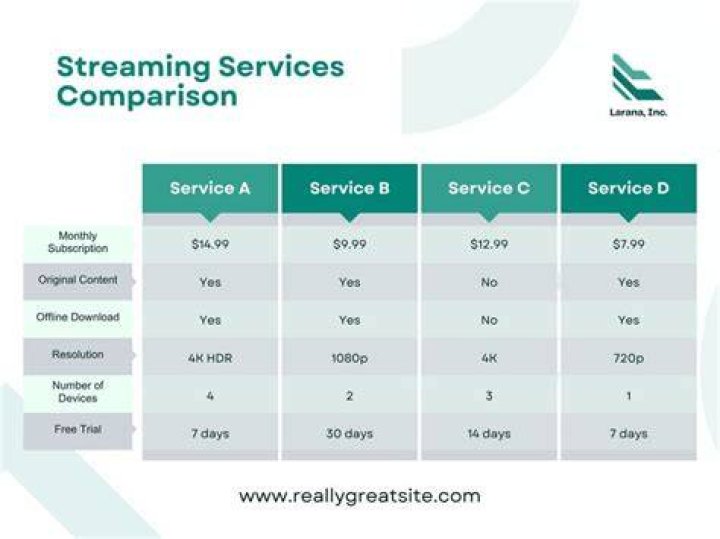
Authorized streaming platforms invest heavily in security infrastructure, encryption, and compliance with data protection regulations. Services like Netflix, Hulu, and Amazon Prime employ dedicated security teams, conduct regular audits, and maintain transparent privacy policies. They operate under legal frameworks that protect both content creators and consumers.
The cost difference between free and paid streaming may seem significant initially, but considering the security risks, potential legal consequences, and compromised viewing experience, legitimate services offer better value. Many authorized platforms provide free trials, student discounts, or ad-supported tiers that reduce costs while maintaining security standards.
Geographic Restrictions and VPN Considerations
Users sometimes combine free streaming sites with VPN services to hide their location and activity. While VPNs provide privacy benefits, they don't eliminate the security risks inherent to unauthorized streaming platforms. Malware can still infect your device, and legal consequences might still apply depending on your jurisdiction.
Quality VPN services cost money, which partly defeats the purpose of using free streaming sites to save money. Additionally, many VPNs keep logs of user activity, and some have been compelled to provide this information to authorities investigating copyright infringement or other illegal activities.
The Real Cost of Free Streaming
While moviesjoy and similar platforms don't charge subscription fees, users pay in other ways. Your personal data becomes the currency, traded across advertising networks and potentially sold to data brokers. The time spent dealing with intrusive ads, pop-ups, and redirects adds up significantly over time.
Device performance often suffers from background mining scripts and accumulated malware. Computer repairs, virus removal services, or replacing compromised hardware can cost far more than a year's worth of legitimate streaming subscriptions. The hidden costs make free streaming an expensive proposition when you factor in these risks.
Safer Alternatives for Budget-Conscious Viewers
Several legitimate options exist for viewers seeking affordable content access. Free, ad-supported services like Tubi, Pluto TV, and Crackle offer legal streaming with proper licensing agreements. While their content libraries differ from premium services, they provide safe viewing experiences without security risks or legal concerns.
Library cards often include free access to streaming platforms through partnerships with services like Hoopla or Kanopy. These platforms offer movies, TV shows, and documentaries at no additional cost beyond your existing library membership. Public libraries increasingly recognize digital content access as part of their mission to serve communities.
Final Thoughts
The question of whether moviesjoy is safe doesn't have a simple answer. From a security perspective, free streaming sites present significant risks including malware, data breaches, and privacy violations. Legally, using unauthorized streaming platforms puts you in a gray area with potential consequences that vary by location. The apparent savings disappear when you consider the hidden costs and risks involved.
Choosing legitimate streaming alternatives protects your devices, personal information, and legal standing while supporting the creators who produce the content you enjoy. The entertainment industry relies on proper licensing and compensation to fund new productions. By opting for authorized services, you contribute to a sustainable ecosystem that benefits everyone involved while keeping your digital life secure and compliant.
Explore More on Moviesjoy
Thank you for reading! For more comprehensive guides and site pages, return to the Moviesjoy Homepage .
